The THOW Solution
A practical, low-cost pathway to integrate Tiny Homes on Wheels into New Zealand's existing housing system.
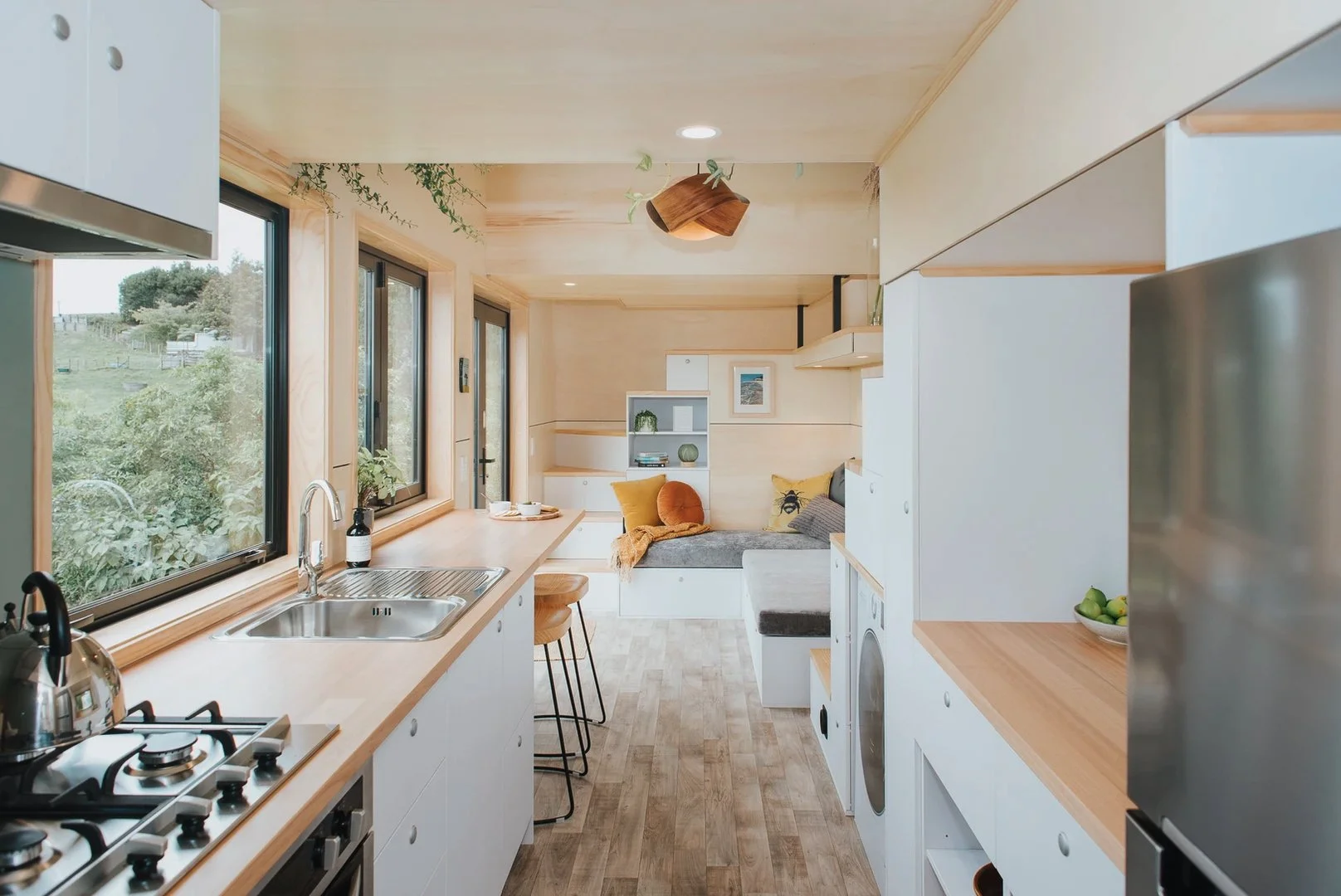
Tiny House on Wheels built by Build Tiny
New Zealand has a unique opportunity to integrate Tiny Homes on Wheels into its housing system without creating new legislation. The opportunity is immediate. The key is alignment.
One of the key findings of this research is that Tiny Homes on Wheels are often treated as a single regulatory object. In reality, they comprise three distinct components—a house, a trailer, and land—each of which is already regulated under existing New Zealand legislation.
The house is regulated through the Building Act and Building Code, the trailer through transport legislation, and the land through planning legislation and local authority requirements. Individually, these systems function well. The challenge is that there is currently no nationally consistent framework that brings them together.
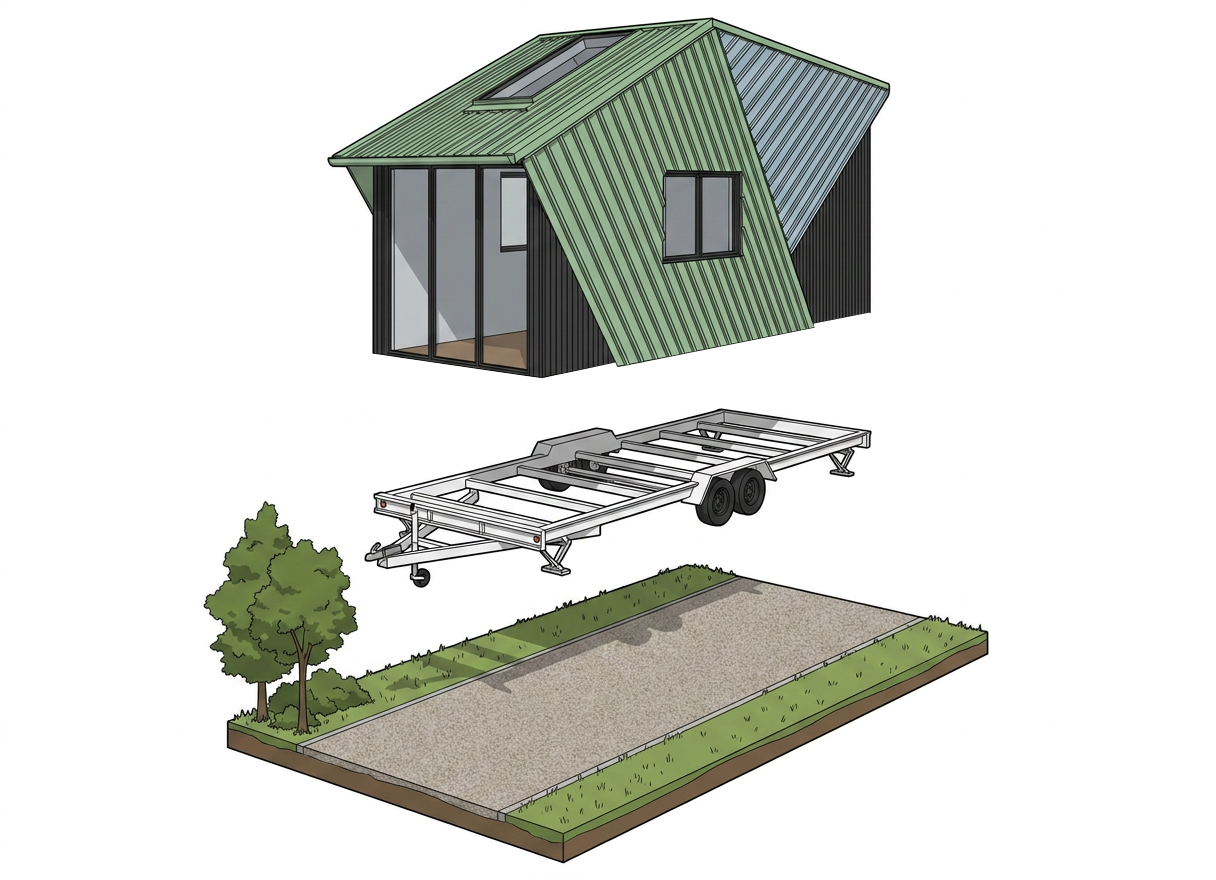
Rather than creating an entirely new regulatory regime, New Zealand can build on its existing Building Code, planning legislation, certification systems and administrative frameworks by better aligning them. This provides a practical, low-cost and nationally consistent pathway that improves regulatory certainty while maintaining New Zealand's existing standards for safety, health and durability.
The following four recommendations demonstrate how this alignment can be achieved through existing Building Code, planning, certification and administrative processes.
Further background, evidence and discussion of these recommendations is available in my Parliamentary presentation, recorded at the Beehive Theatrette and my Masters Thesis.
Step 1:
A Dedicated THOW Acceptable Solution
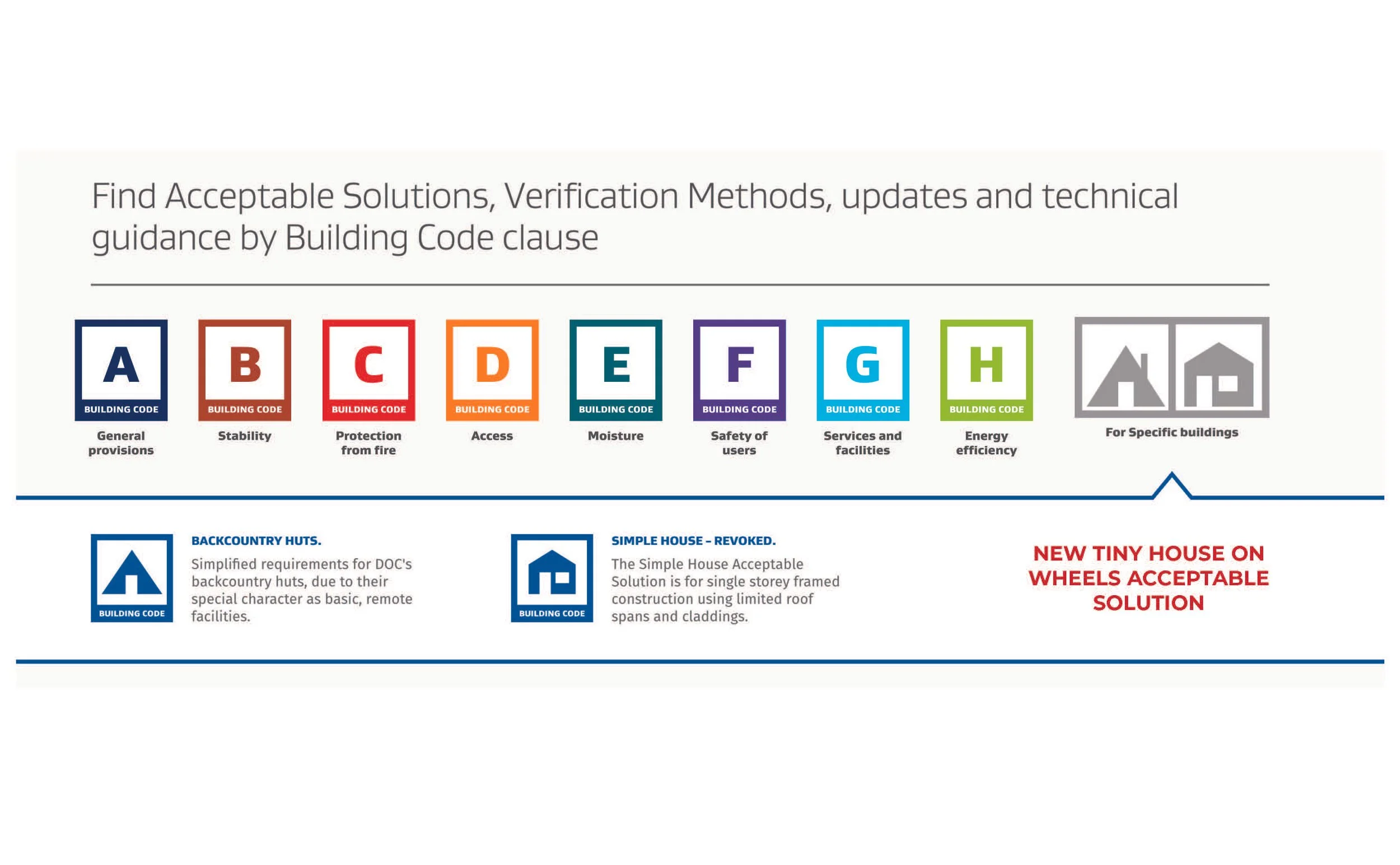
Direct MBIE to develop a dedicated Tiny Home on Wheels (THOW) Acceptable Solution, building on the existing Simple House Acceptable Solution and informed by the findings of this research and international best practice. This would provide a nationally consistent Building Code compliance pathway, giving councils, designers, builders and homeowners a clear and prescriptive route to compliance.
The proposed Acceptable Solution would incorporate existing Building Code provisions wherever possible, using targeted Alternative Solutions only where necessary to address the unique spatial and technical characteristics of THOWs. This performance-based approach builds on New Zealand's existing regulatory framework rather than creating a new system, reducing uncertainty while maintaining the safety, health and durability standards expected of permanent housing.
The Acceptable Solution would:
Provide a nationally consistent Building Code compliance pathway for Tiny Homes on Wheels.
Reduce consent uncertainty while maintaining New Zealand Building Code performance standards.
Step 2:
CodeMark-Certified Engineered Trailer Foundation

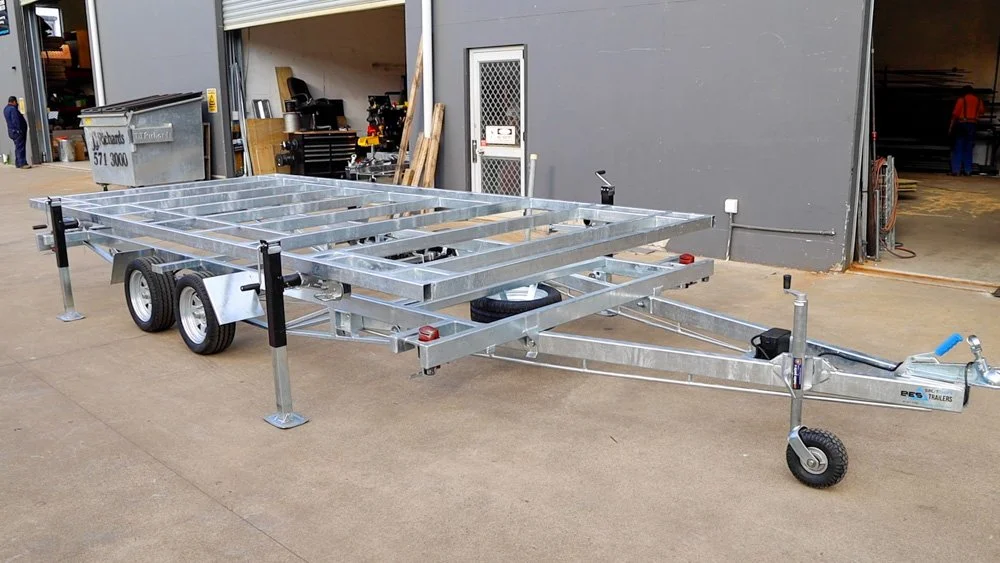
Trailer Example by Bay Engineering Solutions
Direct MCERT + MBIE, in partnership with BRANZ, to use Building Levy funding to research, test and certify a CodeMark-certified engineered trailer foundation system for Tiny Homes on Wheels. This would provide a nationally recognised pathway for demonstrating Building Code compliance for trailer foundations.
The trailer is the defining characteristic of a Tiny Home on Wheels, yet there is currently no recognised method for demonstrating its performance as a permanent building foundation. A certified engineered foundation system would improve consistency between Building Consent Authorities, reduce repetitive engineering assessments, strengthen consumer confidence and support a more efficient off-site manufacturing industry.
The certified foundation system would:
Provide a nationally consistent compliance pathway for trailer foundations.
Reduce repetitive engineering assessments while supporting efficient off-site manufacturing.
Step 3:
Recognition of THOWs as a Distinct Housing Typology and Land Lease system.
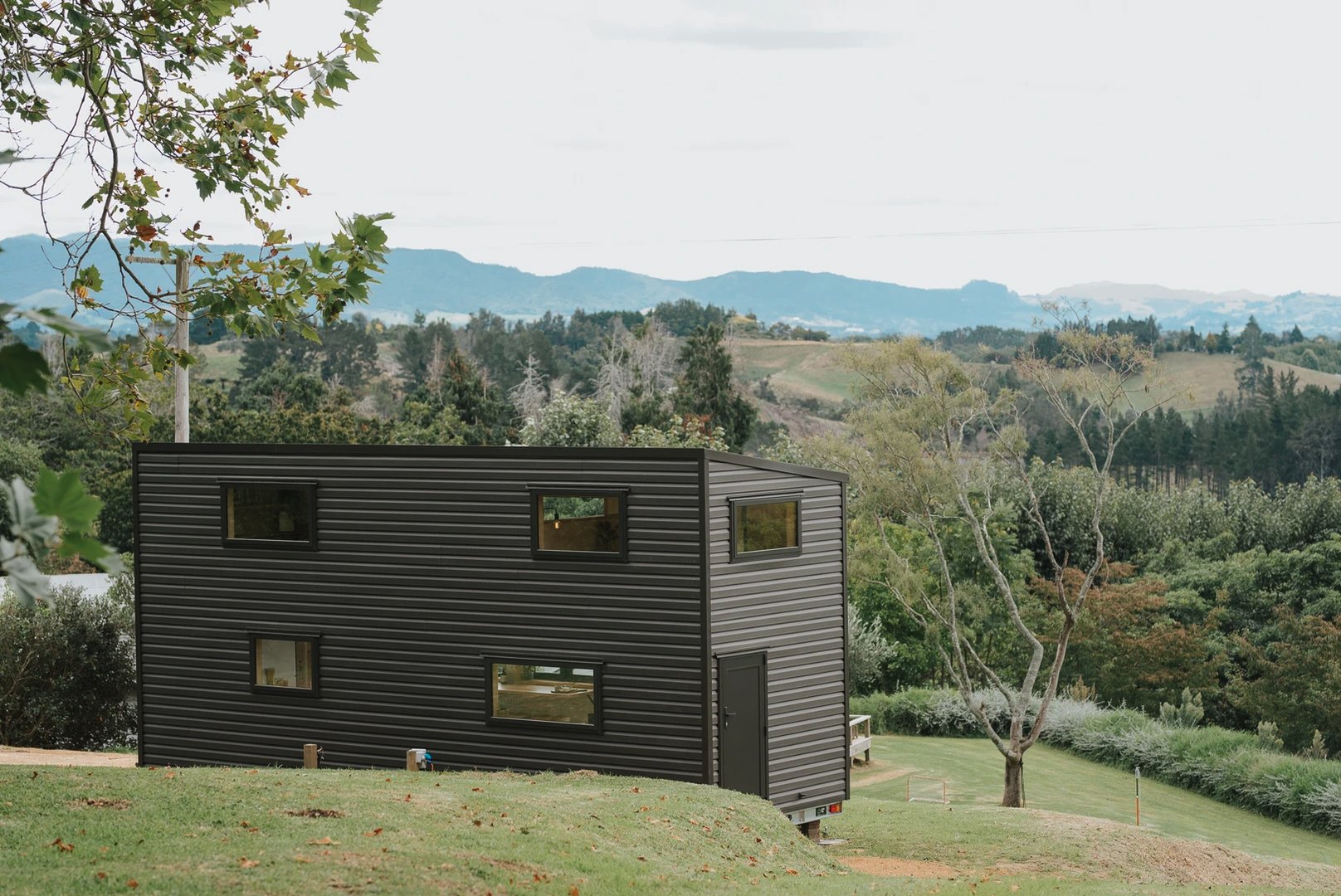
Tiny House on Wheels built by Build Tiny
Direct MCERT to recognise Tiny Homes on Wheels as a distinct housing typology within national planning legislation. This should be supported by nationally consistent provisions for land-lease housing, site placement and infrastructure connections, enabling people to own a home while leasing the land on which it is located.
Recognising THOWs as a distinct housing typology would provide greater certainty for councils, landowners and homeowners while supporting more flexible housing delivery. It would unlock opportunities for rural and urban landowners to host small, low-impact dwellings, increase housing choice and reduce one of the greatest barriers to home ownership—the cost of purchasing land.
The planning framework would:
Recognise THOWs as a distinct housing typology within New Zealand's planning system.
Enable nationally consistent land-lease housing arrangements and site placement provisions.
Step 4:
A National THOW Registration System
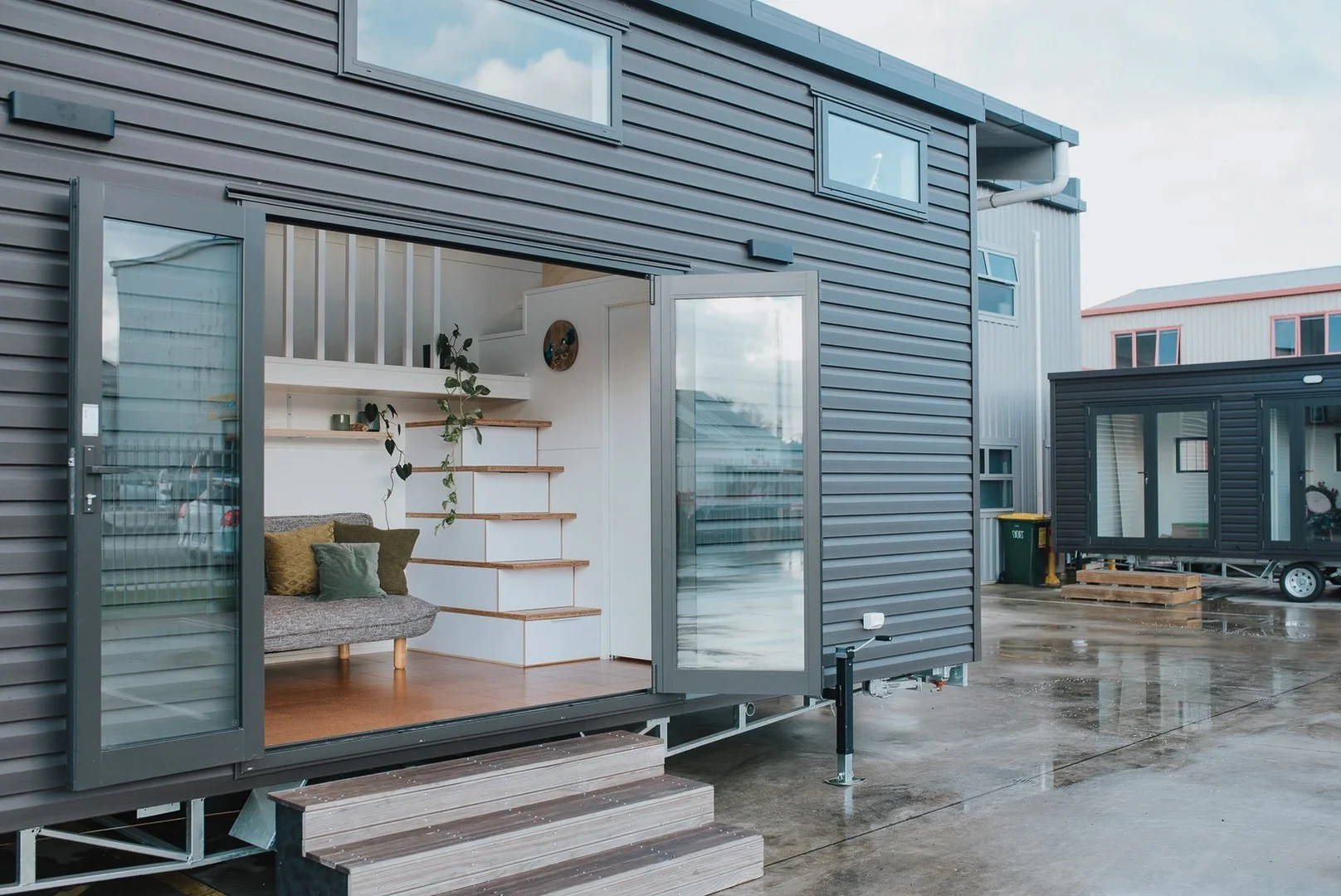
Tiny House on Wheels built by Build Tiny
Unlike conventional homes, Tiny Homes on Wheels can relocate between council jurisdictions. As a result, there is currently no practical mechanism for allocating a financial contribution equivalent to rates and development contributions to the local authority in which a THOW is located.
A national THOW Registration System would provide a simple administrative framework that records the council jurisdiction in which a THOW is located and allocates a financial contribution equivalent to rates and development contributions accordingly. Similar to vehicle registration, the system would allow a THOW to relocate while ensuring the local authority providing infrastructure and services receives the appropriate financial contribution, creating a fair and nationally consistent funding model for both councils and THOW owners.
The registration system would:
Record the council jurisdiction in which a THOW is located and allocate a financial contribution, in place of rates and development contributions, to that local authority.
Ensure councils are fairly compensated for the infrastructure and services supporting THOWs and their occupants.
The opportunity is immediate.
The key to achieving it is alignment.
New Zealand already possesses the Building Code, planning legislation, certification systems and administrative mechanisms needed to integrate Tiny Homes on Wheels safely into the housing system.
The opportunity is not to create a new regulatory regime, but to align the existing one.
Together, these four recommendations provide a practical, low-cost and nationally consistent pathway that strengthens consumer protection, supports local government, and expands safe, affordable housing choice while maintaining New Zealand's existing standards for health, safety and durability.